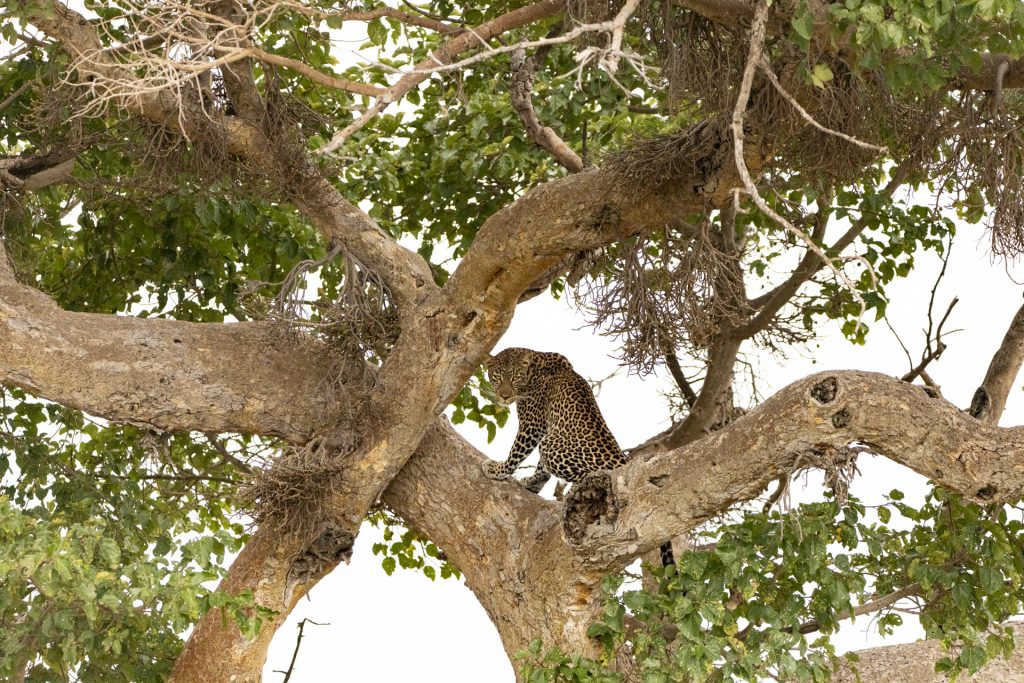
‘A moving man will surely meet his luck. The one who is out talking, building, showing up, trying things, going places. Luck is not random. It is what happens when you are in enough motion that opportunity has somewhere to land. Stay still and luck has nowhere to find you. Keep moving, and it is almost inevitable.’
My buddy Davy shared that wisdom in our boys’ group to encourage us to be audacious and keep moving. Funny how we already know some things, but when someone else says it, it lands differently. A version of this happened last weekend. My coaching journey is taking exciting turns, with assignments arriving in different shapes and forms. It’s slowly proving true that coaching may be the doorway, but it’s not the only room in the house.
I have been on an interesting assignment coaching research students from two African universities. The engagement combines both one-on-one and group coaching. The beauty of coaching is that the coach doesn’t have to be an expert in the client’s field. I am simply required to create a supportive space for my clients to reflect deeply and uncover new possibilities that help them achieve their personal and professional goals. A good coach is a catalyst for the client’s growth.
These research students are scientists—bright young minds. Last Saturday, they attended a symposium bringing together researchers from nine universities, including four from Africa. Some members of the two teams I’ve been coaching over the last few months were among those presenting their research findings and seeking input from their faculty mentors and peers. I was invited to attend as their team coach. It was energising to meet them in person for the first time, as all our previous sessions had been virtual.
Their presentations on health problems they are working to solve in their communities were astounding. I sat there immersed in the conversations, and I can confirm that Africa certainly doesn’t lack intellect. The challenge lies in tapping that brainpower and activating it for the benefit of our communities. We could easily compile a long list of what prevents our brilliant young minds from unleashing their wisdom for the development of our continent. Lack of visionary leadership, weak systems to harness this brilliance and so on.
Over lunch, I sat with some of my clients and their peers and had an honest discussion about how they can apply their research into real life, impact communities positively and live off their intellect. What followed was a sad realisation. Things kwa ground are very different.
Writing a thesis is a requirement for graduation. The students are required to have a supervisor who will guide and evaluate them, and finally approve their work. Oftentimes, only a professor qualifies for that role, and their name must appear on the final project. I wonder why that has to be, given that the student does most of the actual work. Apparently, there are only a handful of professors in the country, many of whom are wazee. I assumed this was a positive thing, that they would be delighted to guide the young minds to rise, make an impact and eventually replace them. That’s the comment I made that brought silence to our table, as if I had spoken something taboo. One young doctor broke the silence and asked me, “Do you know why many students drop their master’s degree at the point of thesis?” I gave him a blank look. I didn’t know.
The heart-breaking reality is that the same professors who are supposed to guide them in successful careers are the obstacles to their development. Most of them are difficult to reach in the first place, and when you manage to find them, they dismiss you and your hard work with flimsy excuses, trying to justify why you cannot proceed to graduation. Some of the young people there have been stuck at this thesis approval stage for a year and more. I couldn’t believe what I was hearing. They told me that supervisors sometimes string a student along, only for them to discover on graduation day that their name isn’t on the list. How cruel.
So what’s the point of going to school, working hard and aiming to uplift our societies if the people expected to show us the way are indeed blocking it? I hope a professor reads this story and maybe sheds some light on why they do what they do. We keep talking about brain drain from our continent being a thing to worry about. Now I’m even tempted to sponsor a ticket for some of these young ones to fly and go where their value will be recognised and they will be given a chance to thrive. It’s a classic case of a prophet not being recognised or appreciated at home, as the Good Book says.
We returned for the afternoon session, where even more brilliance was on display. But I sat there with a feeling of sadness at what these young researchers have gone through. Our system has failed them, and that’s why they are angry. For how long will they keep hope alive? How long will they wait for their thesis to be approved? Will they have given up, moved on to other hustles to make ends meet, and buried their genius?
We must do something, folks, to champion our young people rather than frustrate them. Some of these professors are our agemates—our peers in midlife. That should make us look within and see if we are stumbling blocks to the younger people in our places of work and communities. We may not all be professors, but we might be exhibiting the very same behaviour those students called out over lunch.
May we cultivate an abundance mind-set and remember that some of the seeds we plant today will bear fruit on other people’s trees and that’s a good thing. I would hate to work so hard for so long, rising through the ranks to gain influence only to misuse it by keeping others down. What a lousy legacy that would be. I didn’t think coaching could bring me into a conversation like this. I took this as a sign that I’m a moving man, but did luck fall on me this time? I wouldn’t say so, but I felt compelled to write about this situation. I hope this pushes the needle a bit and that soon the tide will shift in this aspect of academia for our young, brilliant African minds. We keep moving. End of rant, hehe.

Webinar 2 is now open for registration.
Beneath the titles, roles and achievements, who is the person you have been all along? Many of us in Africa reach midlife carrying the weight of everyone's expectations: family, community, career. We rarely stop to ask who we are underneath it all.That is what we will unpack in Webinar 2: The African Midlife Dilemma, the next session in the Success to Significance series.
Friday, 30th October12:00 – 1:00 PM (EAT)
Live on Zoom
KES 2,000
Missed Webinar 1? You are still very welcome to join. Know a leader who needs this conversation? Forward it their way.
Register Here